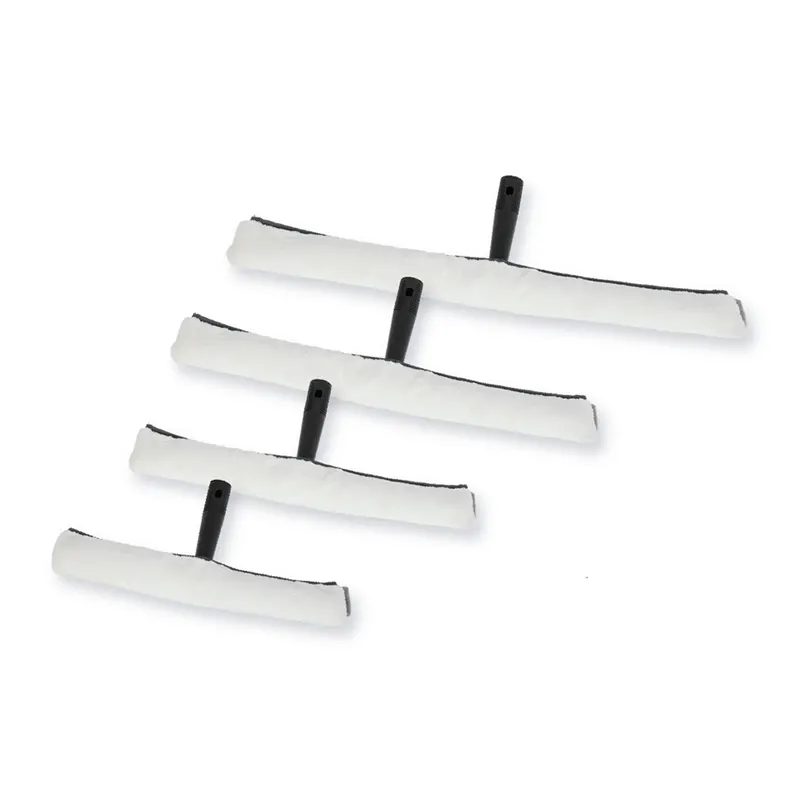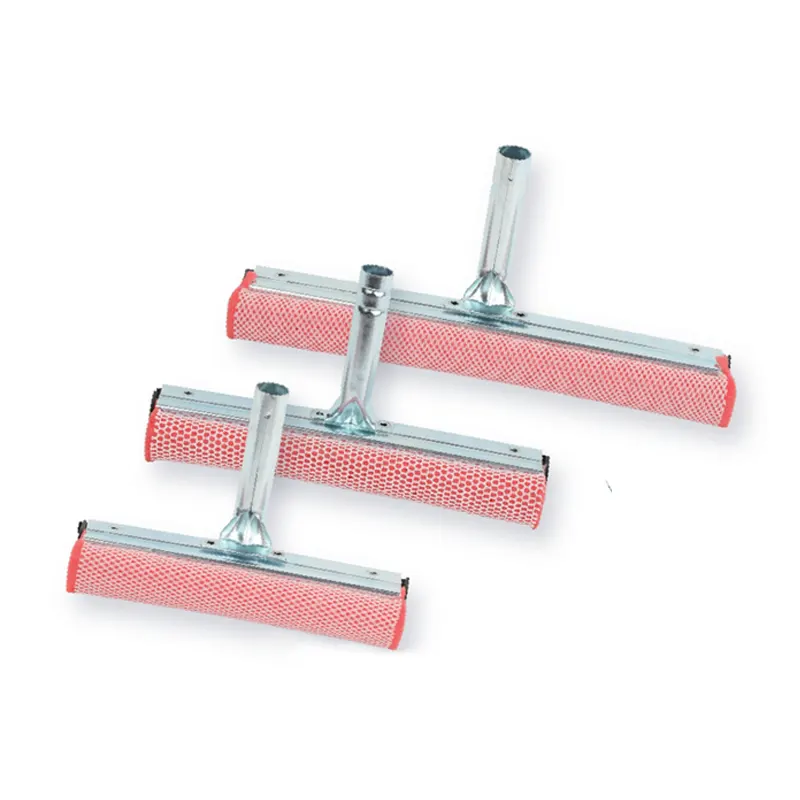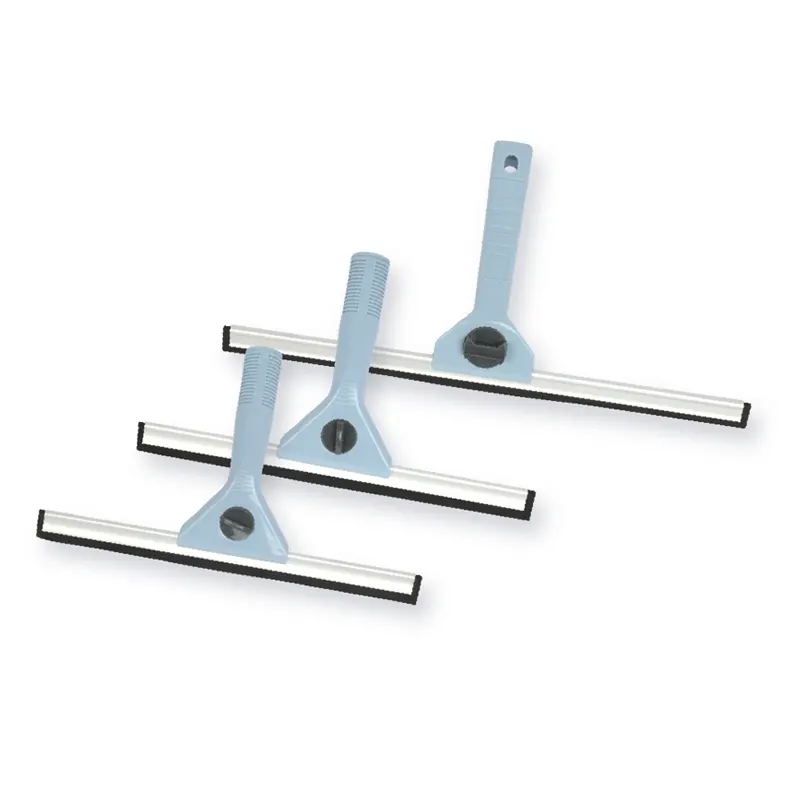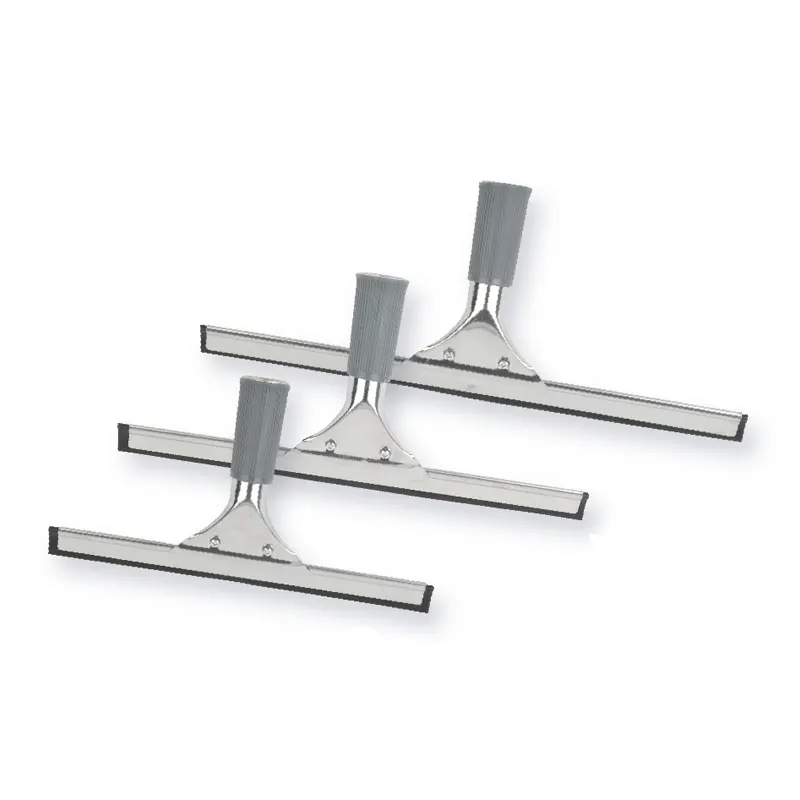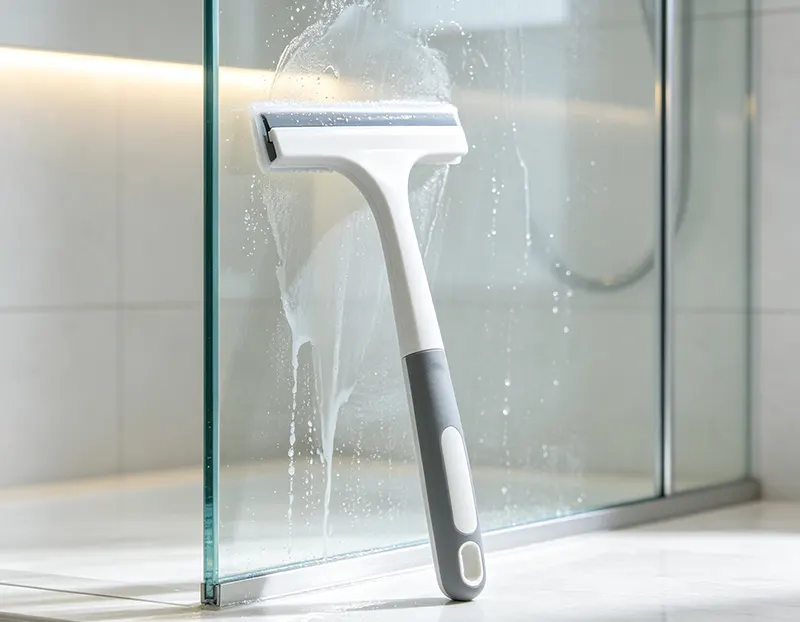
A Window Squeegee is the core tool for anyone who wants clean, dry, and optically clear glass surfaces without lint, streaks, or chemical residue. LUCY builds professional-grade Window Squeegee tools that combine precision rubber compounds, lightweight metal channels, and balanced handles for flat glass, mirrors, shower enclosures, tile, and automotive glass. This guide covers product parameters, material specifications, model selection, proper technique, care, and the most common questions from contractors and homeowners.
A cheap Window Squeegee may leave micro-lines, chatter marks, or water trails on the final pass. The difference comes down to blade edge straightness, channel stiffness, handle ergonomics, and pivot consistency. LUCY controls each of these factors through CNC-machined channels, precision-extruded rubber profiles, and overmolded handle tooling. The result is a Window Squeegee that performs the same on the first pass of a 40-pane storefront as it does on the last pass of a residential bathroom mirror.
Professional users evaluate a Window Squeegee by repeatability. If the blade deforms under pressure, the contact angle changes and the tool pulls away from the glass. If the channel flexes, the blade cannot distribute pressure evenly. If the handle is too slick when wet, the user compensates with excessive force and loses control. LUCY designs each component as part of a single system rather than assembling off-the-shelf parts from multiple suppliers.
Rubber formulation is the most overlooked element. Natural rubber with a Shore A hardness between 55 and 60 offers the best balance of flexibility and durability for temperatures between -15°F and 160°F. Softer rubber folds and smears, while harder rubber skips and chatters. LUCY heat-cures every blade after extrusion to stabilize the edge and reduce early break-in behavior. This means the first pass with a new LUCY Window Squeegee feels nearly identical to the tenth pass.